After three decades in self-isolation, China’s late opening to the rest of the world continues to impact its international relations.
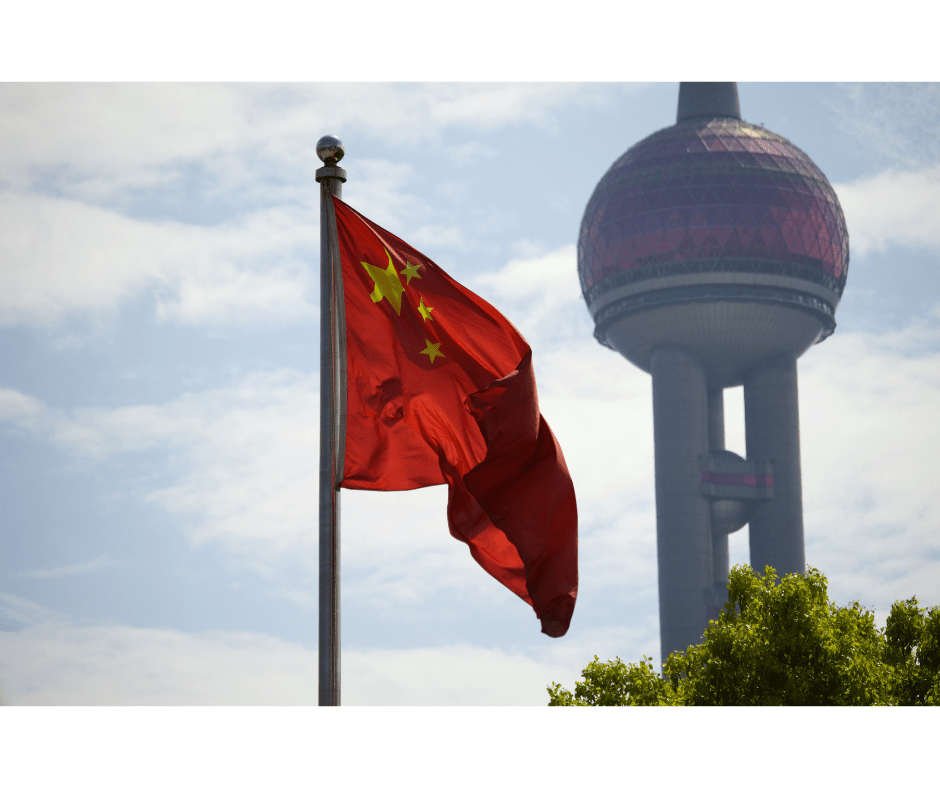
The People’s Republic of China’s (PRC) relative isolation from the global community during the 1950s through the 1970s, particularly under Mao Zedong’s leadership and during the Cultural Revolution (1966–1976), profoundly shaped its socio-cultural landscape and international relations. The country’s formal opening to the world, initiated in 1978 through Deng Xiaoping’s Reform and Opening-Up Policy (改革开放, Gāigé kāifàng), marked a pivotal shift toward global integration. This delayed engagement, following decades of restricted cultural and diplomatic exchange, created a unique trajectory for China’s socio-cultural development and its role on the global stage. This article explores how China’s late opening influenced its socio-cultural scene, with a focus on music and broader cultural trends, as well as its international relations.
Socio-Cultural Impacts of China’s Late Opening
1. Compressed Cultural EvolutionChina’s isolation during the 1950s–1970s, particularly during the Cultural Revolution, stifled cultural development by prioritizing state-controlled propaganda over creative expression. Music, art, and literature were subordinated to revolutionary ideals, with Western influences banned as “bourgeois.” For example, the “Eight Model Operas” dominated the cultural landscape, while genres like rock, jazz, and pop—hallmarks of global cultural revolutions in the 1960s and 1970s—were absent.When China opened in 1978, it experienced a rapid influx of global cultural trends, compressing decades of Western musical, artistic, and social developments into a short period. This led to a unique socio-cultural scene where traditional Chinese elements blended with global influences, often mediated through Hong Kong and Taiwan. In music, Taiwanese artists like Teresa Teng introduced romantic pop to the mainland, paving the way for C-pop stars like Jolin Tsai, whose fan base spans Greater China and beyond, as discussed earlier. Tsai’s music, blending Western dance-pop with Chinese lyrics, exemplifies this fusion, enabled by the post-1978 opening but shaped by the absence of earlier global exposure.This compressed adoption created a cultural scene that was both vibrant and imitative. Mainland artists initially emulated Hong Kong and Taiwanese pop, which had absorbed Western influences earlier due to their open economies. For instance, Jolin Tsai’s polished albums like Dancing Diva (2006), with over 2.5 million copies sold across Asia, reflect global production standards adopted in Taiwan, which mainland China began replicating later. However, the lack of a gradual countercultural phase (e.g., the 1960s Western protest movements) meant China’s cultural scene leaned heavily toward commercial, non-political content to align with state oversight.
2. Censorship and Cultural Conservatism
The legacy of isolation and state control persisted post-1978, with ongoing censorship shaping China’s socio-cultural scene. While the opening allowed Western influences, the government maintained strict oversight over content deemed politically sensitive or morally subversive. This affected music, film, and literature, limiting the development of rebellious or avant-garde movements common in the West during the 1960s–1970s. For example, Jolin Tsai’s provocative themes and dance-heavy performances sometimes face scrutiny in mainland China, requiring artists to navigate censorship carefully to maintain broad appeal.This conservatism contrasts with the global countercultural movements China missed, such as the hippie movement or punk rock, which fostered social critique through art. Instead, China’s socio-cultural scene prioritized themes like love, prosperity, and harmony, aligning with state narratives of stability and growth. This focus helped artists like Tsai build a massive fan base in mainland China, where accessible pop resonates widely, but it limited the diversity of artistic expression compared to global peers.
3. Role of Hong Kong and Taiwan as Cultural Mediators
During China’s isolation, Hong Kong and Taiwan developed vibrant cultural scenes influenced by Western music, film, and fashion due to their colonial histories and open markets. Cantopop and Mandopop flourished in the 1970s, with artists like Sam Hui and Teresa Teng setting trends. Post-1978, these regions became cultural bridges, introducing global styles to the mainland. This dynamic directly influenced the rise of artists like Jolin Tsai, whose Taiwanese roots and globalized pop sound found a ready audience in mainland China after the opening.The socio-cultural influence of Hong Kong and Taiwan also fostered a pan-Chinese identity, strengthening cultural ties across Greater China. Tsai’s fan base, active in Taiwan, mainland China, Hong Kong, Macau, and diaspora communities in Singapore and Malaysia, reflects this interconnectedness, enabled by the post-1978 flow of media and music across borders.
4. Technological and Digital Acceleration
China’s late opening coincided with global technological advancements, allowing it to leapfrog certain developmental stages. The introduction of cassette tapes, CDs, and later digital platforms like Weibo and streaming services transformed cultural consumption. Jolin Tsai’s engagement with fans on Weibo, for instance, highlights how digital platforms amplified her reach in mainland China and globally, a direct result of post-1978 integration into global media markets.However, the absence of earlier exposure to music production technologies (e.g., multitrack recording, synthesizers) meant China initially relied on foreign expertise, often via Hong Kong and Taiwan. This shaped a polished but derivative pop industry, with artists like Tsai adopting Western production techniques to appeal to both domestic and international audiences.
Impacts on International Relations
1. Diplomatic Re-engagement and Soft Power
China’s isolation during the 1950s–1970s limited its diplomatic ties, with relations largely confined to the Soviet bloc until the Sino-Soviet split in the 1960s. The 1972 meeting between Richard Nixon and Mao Zedong, as you mentioned, was a precursor to broader engagement, but it was the 1978 reforms that truly opened China to the world. The establishment of diplomatic relations with the U.S. in 1979, entry into the IMF and World Bank in 1980, and WTO membership in 2001 marked China’s integration into the global system.Culturally, this opening allowed China to project soft power through its music, film, and art. Artists like Jolin Tsai, with international tours like the J1 World Tour (2004–2006) and fan clubs in places like Singapore, contribute to China’s cultural influence abroad. However, the late start meant China’s soft power initially lagged behind Western and even regional peers like Japan and South Korea, whose pop cultures (e.g., J-pop, K-pop) gained global traction earlier.
2. Economic and Cultural Exchange
The 1978 reforms attracted foreign investment and cultural exchange, fostering joint ventures in media and entertainment. This enabled collaborations between Chinese and international artists, enhancing China’s global cultural presence. However, the legacy of isolation meant China entered these exchanges with a less developed cultural industry, relying on Hong Kong and Taiwan to bridge gaps. For example, Tsai’s work with global choreographers and producers reflects the international networks built post-1978, which mainland China leveraged later.
3. Geopolitical Tensions and Cultural Nationalism
China’s late opening created a sense of urgency to catch up economically and culturally, fostering a blend of openness and nationalism. The government promotes cultural products that align with national pride, influencing artists to balance global appeal with patriotic themes. This dynamic affects international perceptions, as China’s cultural exports, including C-pop, are sometimes viewed as extensions of state soft power, creating both admiration and skepticism abroad.
4. Diaspora and Global Influence
The opening facilitated connections with Chinese diaspora communities, amplifying the global reach of artists like Jolin Tsai. Her fan base in Singapore, Malaysia, and Western countries with Chinese populations reflects the diaspora’s role in spreading C-pop. This cultural outreach strengthens China’s international ties but also highlights tensions, as diaspora communities navigate dual identities amid geopolitical debates.
Conclusion
China’s late opening in 1978 profoundly shaped its socio-cultural scene and international relations. The absence of global cultural exposure during the 1950s–1970s created a compressed, imitative cultural evolution, with Hong Kong and Taiwan serving as critical mediators. Artists like Jolin Tsai, whose fan base thrives across Greater China and beyond, embody this blend of global and local influences, facilitated by post-1978 reforms. However, ongoing censorship and a focus on commercial, non-political content reflect the lasting impact of earlier isolation. In international relations, the opening enabled China to project soft power and engage globally, but its late start meant a reliance on regional hubs and a cautious approach to cultural exports. As China continues to navigate its global role, its socio-cultural scene remains a dynamic interplay of catch-up, innovation, and state-guided identity, with figures like Tsai illustrating the reach and limits of this transformation.
 Catalyst International
Leave a comment